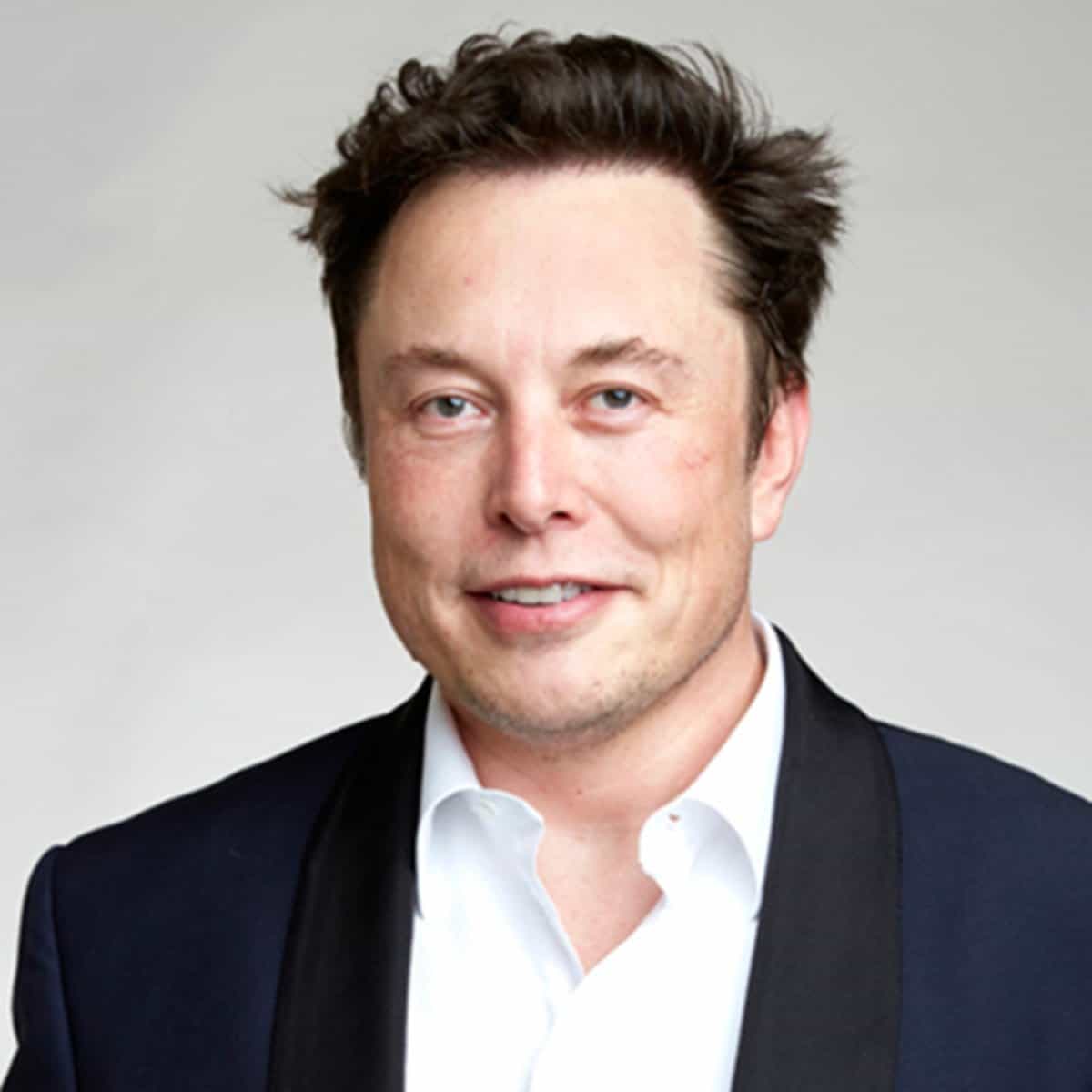
Elon Musk Net Worth: How He Built His Fortune Through Tesla, SpaceX, xAI, and More
Elon Musk Net Worth: How He Built His Fortune Through Tesla, SpaceX, xAI, and More
Elon Musk is widely recognized as one of the most influential entrepreneurs of the modern era. Known for leading companies such as Tesla, SpaceX, xAI, and X, Musk has transformed multiple industries ranging from electric vehicles and space exploration to artificial intelligence and digital communications. His remarkable business success has made him one of the wealthiest individuals in the world, attracting global attention from investors, entrepreneurs, and financial analysts alike.
As of 2026, Elon Musk’s net worth is estimated to fluctuate significantly because much of his wealth is tied to the value of publicly traded and privately held companies. Unlike individuals whose wealth comes primarily from cash or salaries, Musk’s fortune is largely based on ownership stakes in businesses. As stock prices and company valuations change, so does his estimated net worth.
This article explores how Elon Musk built his fortune, the companies that contribute to his wealth, his investment strategy, business philosophy, and the lessons entrepreneurs can learn from his extraordinary journey.
Early Life and Entrepreneurial Beginnings
Elon Musk was born in Pretoria, South Africa, where he developed an interest in computers and technology from a young age. During his childhood, he taught himself computer programming and created his first video game, demonstrating an early passion for innovation.
After moving to North America, Musk pursued higher education before shifting his focus toward entrepreneurship. Rather than following a traditional career path, he identified opportunities created by the rapid growth of the internet during the 1990s.
His first major venture, Zip2, provided online business directories and mapping services to newspapers. The company was eventually acquired, providing Musk with the capital needed to pursue larger ambitions.
Instead of retiring comfortably after his first successful business exit, Musk reinvested much of his earnings into new technology ventures, accepting substantial financial risks in pursuit of long-term innovation.
PayPal and the First Major Financial Success
Following the sale of Zip2, Musk founded X.com, an online financial services company that later evolved into PayPal after a merger.
At the time, online payments were still relatively new. PayPal simplified electronic transactions, making it easier for consumers and businesses to transfer money securely over the internet.
When PayPal was acquired by eBay, Musk received a significant payout. Rather than using this wealth for personal luxury, he invested heavily in ambitious projects that many experts considered impossible or too risky.
That decision laid the foundation for one of the most remarkable business careers in history.
Building Tesla Into a Global Brand
Although Elon Musk did not originally establish Tesla, he became one of its earliest investors and eventually assumed leadership of the company.
Tesla’s mission extended beyond manufacturing electric vehicles. The company aimed to accelerate the world’s transition toward sustainable energy by combining advanced battery technology, software, autonomous driving research, and renewable energy solutions.
During Tesla’s early years, the company faced numerous challenges, including production delays, financial pressures, and skepticism from investors. Musk invested much of his own wealth into the company during difficult periods, believing its long-term potential outweighed the short-term risks.
Over time, Tesla introduced vehicles that demonstrated electric cars could deliver high performance, long driving ranges, and advanced technology while appealing to mainstream consumers.
As Tesla expanded globally, investor confidence increased substantially. Rising share prices dramatically increased the value of Musk’s ownership stake, making Tesla the largest contributor to his overall net worth.
Beyond automobiles, Tesla continues to expand into battery storage systems, solar energy products, robotics, and artificial intelligence technologies, strengthening its position as a diversified technology company rather than simply a vehicle manufacturer.
SpaceX: Transforming Space Exploration Into Financial Value
After achieving success in online payments, Elon Musk invested a significant portion of his personal wealth into founding SpaceX. His vision was ambitious: reduce the cost of space travel and eventually enable humans to become a multi-planetary species.
Many experts believed private companies could not compete with government space agencies. SpaceX faced multiple rocket launch failures during its early years, and the company came close to running out of money. However, Musk continued investing despite the financial risks.
The breakthrough came when SpaceX successfully developed reusable rockets. Instead of discarding rockets after every launch, the company demonstrated that they could safely return to Earth and be used again. This innovation dramatically reduced launch costs and changed the economics of space transportation.
Today, SpaceX provides launch services for commercial customers, governments, and research organizations. The company also operates Starlink, a rapidly growing satellite internet network serving customers around the world.
Unlike Tesla, SpaceX is privately held, meaning its shares are not traded on public stock exchanges. Nevertheless, investment rounds have valued the company at hundreds of billions of dollars, making Musk’s ownership stake one of the largest contributors to his estimated net worth.
Many financial analysts believe that if SpaceX eventually becomes publicly listed, it could become one of the most valuable technology companies in history.
xAI: Entering the Artificial Intelligence Race
Artificial intelligence has become one of the fastest-growing sectors in technology, attracting billions of dollars in investment worldwide.
Recognizing its long-term importance, Elon Musk launched xAI with the goal of advancing AI research and developing systems capable of solving complex real-world problems.
The company quickly attracted attention from investors and technology experts due to Musk’s track record of building industry-leading businesses.
As xAI expands its research capabilities and commercial products, analysts believe it could become another major contributor to Musk’s wealth over the coming years.
Artificial intelligence is expected to influence healthcare, finance, manufacturing, education, transportation, and scientific research, making it one of the most significant technological opportunities of this decade.
X: Expanding Beyond Social Media
Elon Musk’s acquisition of Twitter, later rebranded as X, represented one of the largest technology acquisitions in recent years.
Rather than viewing X solely as a social media platform, Musk has described plans to transform it into a broader digital ecosystem that could include communication, financial services, payments, artificial intelligence, video, commerce, and creator tools.
Although the platform continues to evolve, it represents another component of Musk’s broader business portfolio and long-term strategy.
The ultimate financial contribution of X to Musk’s net worth will depend on future business growth, advertising revenue, subscriptions, and new services introduced over time.
Neuralink and The Boring Company
In addition to Tesla, SpaceX, xAI, and X, Elon Musk has founded or invested in several other innovative businesses.
Neuralink focuses on developing brain-computer interface technology intended to help individuals with neurological conditions while exploring future human-computer interaction.
The Boring Company develops tunneling technologies aimed at reducing urban traffic congestion through underground transportation systems.
Although these businesses currently represent a smaller portion of Musk’s overall wealth compared to Tesla and SpaceX, they demonstrate his willingness to pursue long-term projects addressing complex engineering challenges.
Where Does Elon Musk’s Wealth Come From?
Unlike many billionaires, Elon Musk receives relatively modest cash compensation compared to the total value of his assets.
Most of his wealth comes from ownership stakes in companies rather than traditional salaries.
His estimated fortune is primarily derived from:
- Tesla shares
- SpaceX ownership
- xAI equity
- X ownership
- The Boring Company
- Neuralink
- Stock options and performance-based compensation
Because these assets fluctuate in value, Musk’s estimated net worth can increase or decrease by billions of dollars within a short period depending on company performance and market conditions.
Why Elon Musk’s Net Worth Changes Frequently
Many people wonder why different financial publications report different estimates of Elon Musk’s wealth.
The answer is simple: most of his fortune exists on paper through company ownership.
Factors influencing his estimated net worth include:
- Tesla share price movements.
- Private company valuations.
- New investment funding rounds.
- Stock option exercises.
- Market sentiment.
- Global economic conditions.
- Exchange rate fluctuations.
As a result, Elon Musk’s ranking among the world’s wealthiest individuals may change several times throughout the year even without buying or selling significant assets.
Business Lessons Entrepreneurs Can Learn From Elon Musk
Elon Musk’s journey offers valuable lessons for entrepreneurs, investors, and business leaders. While every business is different, several principles have consistently shaped his approach to innovation and long-term growth.
1. Think Beyond Existing Industries
Rather than entering markets with minor improvements, Musk focused on industries that many considered too difficult or expensive to disrupt. Electric vehicles, reusable rockets, artificial intelligence, and satellite internet were all viewed as high-risk ventures before his companies gained traction.
2. Focus on Long-Term Value
Many businesses prioritize short-term profits. Musk has often emphasized long-term innovation, investing heavily in research, engineering, and product development even when immediate financial returns were uncertain.
3. Accept Calculated Risks
Building multiple global technology companies required significant personal and financial risk. Musk repeatedly reinvested capital from previous successes into new ventures instead of preserving his wealth through low-risk investments.
4. Build Strong Teams
Although Elon Musk is the public face of several companies, each relies on thousands of engineers, researchers, designers, and business professionals. Sustainable success depends on attracting talented people and creating organizations capable of continuous innovation.
5. Never Stop Innovating
Markets change quickly. Companies that fail to adapt often lose their competitive advantage. Musk’s businesses continue investing in artificial intelligence, robotics, renewable energy, autonomous driving, advanced manufacturing, and aerospace technologies to remain competitive.
Frequently Asked Questions
What is Elon Musk’s estimated net worth?
Elon Musk’s estimated net worth changes frequently because it depends largely on the market value of his company ownership. Financial publications update their estimates regularly as stock prices and private company valuations change.
What company contributes the most to Elon Musk’s wealth?
Tesla has historically represented the largest portion of Musk’s estimated wealth, although SpaceX has become an increasingly significant contributor as its valuation has grown.
Does Elon Musk receive a large salary?
Most of Musk’s wealth comes from company ownership and performance-based compensation rather than a traditional salary.
Is Elon Musk the richest person in the world?
His ranking changes over time because the value of his assets fluctuates with financial markets. Depending on current market conditions, he may rank first or among the wealthiest individuals globally.
How did Elon Musk become wealthy?
His fortune was built through successful technology businesses, including Zip2, PayPal, Tesla, SpaceX, xAI, X, Neuralink, and other ventures. Much of his wealth comes from owning equity in these companies.
Does Elon Musk invest outside his own companies?
Public information indicates that most of his wealth remains concentrated in the companies he founded, leads, or helped build, rather than in a broad portfolio of unrelated investments.
Conclusion
Elon Musk’s financial success reflects decades of entrepreneurship, innovation, and willingness to pursue ambitious projects. From internet software and digital payments to electric vehicles, reusable rockets, satellite internet, and artificial intelligence, his businesses have influenced multiple industries worldwide.
While estimates of his net worth fluctuate because of changing market conditions, one constant remains: the majority of his wealth is tied to the long-term performance of the companies he has helped build.
For aspiring entrepreneurs, Musk’s career demonstrates that creating lasting value often requires patience, continuous innovation, and a willingness to solve difficult problems. Although his journey is unique, the underlying principles of strategic thinking, persistence, and investment in transformative technologies continue to inspire business leaders around the world.

