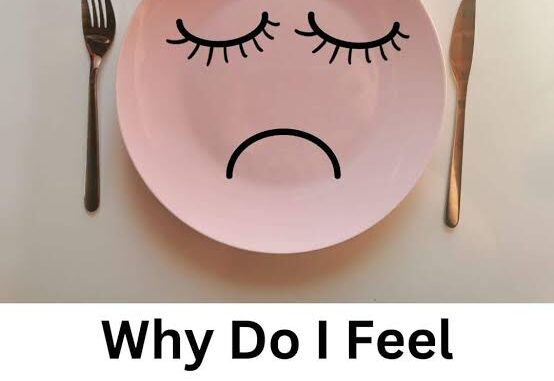
Why You Always Feel Hungry Even After Eating — And How to Stop It
Do you ever finish a meal only to feel hungry again within minutes?
You’re not alone. Many people struggle with constant hunger, even after eating enough food.
This can be frustrating, affect weight management, energy levels, and mood. But the reasons are often more complex than “you’re just eating too little.”
Here are the main reasons this happens — and what you can do about it.
1) You’re Eating Too Many Refined Carbs
Meals heavy in refined carbs (white bread, pasta, pastries, sugary snacks) can spike blood sugar quickly.
- High blood sugar → quick energy
- Then blood sugar crashes → triggers hunger soon after
Tip: Include protein, healthy fats, and fiber to slow digestion and keep you full longer.
2) Not Enough Protein in Your Meals
Protein is one of the most satiating nutrients.
If meals are low in protein, you may:
- feel hungry faster
- crave snacks soon after eating
- struggle to maintain energy
Tip: Add eggs, chicken, fish, beans, or Greek yogurt to your meals.
3) You’re Not Drinking Enough Water
Thirst is often confused with hunger.
- Feeling hungry? Try drinking a glass of water first
- Staying hydrated can reduce unnecessary snacking
4) Lack of Fiber in Your Diet
Fiber slows digestion and helps you feel fuller for longer.
- Low fiber meals → faster digestion → earlier hunger signals
- Fruits, vegetables, legumes, and whole grains help maintain fullness
5) Skipping Meals or Irregular Eating Times
Skipping meals can backfire.
- Body interprets skipped meals as a signal to store energy
- Hunger hormones increase
- Leads to overeating or cravings later
Tip: Eat regular, balanced meals throughout the day.
6) Stress and Emotional Eating
Stress triggers cortisol, which can increase appetite and cravings, especially for:
- sugary foods
- salty snacks
- processed comfort foods
Tip: Manage stress with meditation, breathing exercises, or a short walk instead of automatic snacking.
7) Lack of Sleep
Poor sleep affects hunger hormones:
- Ghrelin (hunger hormone) increases
- Leptin (satiety hormone) decreases
Result: you feel hungrier, even after meals.
Tip: Aim for 7–9 hours of quality sleep per night to balance appetite.
8) Rapid Eating
Eating too quickly can prevent your body from recognizing fullness signals.
- Finish meal → still feel hungry
- Often leads to overeating without realizing
Tip: Slow down, chew thoroughly, and savor each bite.
Quick Tips to Reduce Constant Hunger
- Include protein, healthy fats, and fiber in every meal
- Stay hydrated throughout the day
- Eat slowly and mindfully
- Maintain regular meal schedules
- Prioritize sleep and stress management
Implementing these strategies can help your body feel satisfied and energized, reducing cravings and unnecessary snacking.
Quick FAQ
Why do I feel hungry after eating a full meal?
It could be low protein, refined carbs, low fiber, dehydration, stress, lack of sleep, or rapid eating.
Can water really help with hunger?
Yes — drinking water before or during meals can help you feel fuller and prevent overeating.
Does sleep really affect appetite?
Yes — poor sleep increases hunger hormones and can make you crave more food.
Leave a Reply