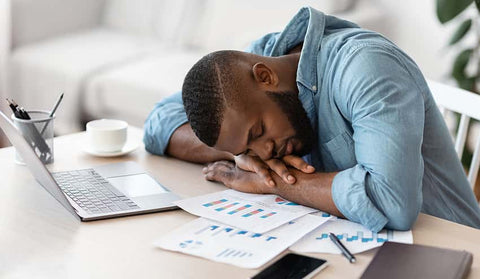
Why You Crash in the Afternoon Even When You Slept Well
Ever find yourself feeling exhausted around 2–4 PM, even after a full night’s sleep? You are not alone.
Many people experience this “afternoon slump,” and it can affect:
- productivity
- mood
- focus
- energy for the rest of the day
The surprising truth is, feeling tired in the afternoon isn’t always because you didn’t sleep enough the night before.
Several everyday habits and lifestyle factors could be silently contributing to your energy dip.
Here’s why it happens — and what you can do about it.
1) Blood Sugar Spikes and Crashes
One of the most common reasons for afternoon fatigue is fluctuating blood sugar levels.
If your breakfast or lunch includes:
- sugary foods
- refined carbs
- sweet drinks
…your body may experience a quick spike in energy followed by a sudden crash, leaving you tired, irritable, and unfocused.
Better approach:
- Include protein and fiber in your meals
- Opt for complex carbs like oats, whole grains, or vegetables
- Stay hydrated
2) Dehydration Can Sneak Up On You
Even mild dehydration can reduce energy and focus, sometimes more than you expect.
Symptoms of dehydration include:
- yawning
- brain fog
- low motivation
- drowsiness
If you skip water in the morning or don’t drink enough during the day, your body can slow down by the afternoon.
Tip: Keep a water bottle at your desk and sip regularly.
3) Lack of Morning Sunlight Affects Your Body Clock
Your circadian rhythm regulates your energy levels throughout the day.
Exposure to natural sunlight in the morning helps:
- signal your body that it’s time to be alert
- regulate melatonin for the evening
- stabilize energy levels
Without sunlight, your body may feel sleepier in the afternoon, even if you slept well.
Simple fix:
- Take a 10–15 minute walk in the morning
- Open blinds to let natural light in
4) Sitting for Long Periods
Sitting for hours at a desk can lead to:
- sluggish circulation
- poor oxygen flow
- reduced alertness
Even if you sleep well at night, your body may feel heavier and slower in the afternoon.
Tip: Stand, stretch, or walk for a few minutes every hour to keep your body energized.
5) Hidden Stress and Mental Fatigue
Sometimes, the afternoon slump isn’t physical — it’s mental.
Stress, overthinking, or prolonged focus can drain energy reserves, leaving you exhausted even after proper sleep.
Solution:
- Take short mind breaks
- Practice deep breathing or meditation
- Step away from screens when possible
6) Poor Meal Timing
Eating large lunches or snacking irregularly can contribute to afternoon drowsiness.
Heavy meals send more blood to your digestive system, which can make your brain feel slower and your body sluggish.
Better approach:
- Eat smaller, balanced meals
- Include protein, healthy fats, and complex carbs
- Avoid over-reliance on caffeine, which may worsen energy crashes
7) Underlying Sleep Quality Issues
Even if you get enough hours, the quality of your sleep matters.
Poor-quality sleep can lead to:
- grogginess in the morning
- lack of energy in the afternoon
- reduced focus
Factors that may affect sleep quality include:
- late-night screen time
- stress
- poor sleep environment
- sleep apnea or other undiagnosed conditions
Tip: Ensure your sleep is restful, dark, and consistent.
How to Stay Energized All Afternoon
To fight the afternoon crash:
- Drink water regularly
- Move or stretch every hour
- Eat balanced meals with protein, fiber, and complex carbs
- Take short breaks to refresh your mind
- Expose yourself to morning sunlight
- Reduce excessive caffeine late in the day
These small adjustments can make a big difference in energy levels and overall productivity.
Quick FAQ
Why do I feel tired at 3 PM even after sleeping well?
It can be due to blood sugar fluctuations, dehydration, prolonged sitting, stress, or poor meal timing.
Can a small walk help?
Yes — a short walk improves circulation, boosts alertness, and can reduce drowsiness.
Is caffeine helpful?
Caffeine may help temporarily, but too much or at the wrong time can make crashes worse.
Should I nap?
Short naps (10–20 minutes) can help if done correctly, but long naps may disrupt your natural sleep cycle.
Leave a Reply